What is the Best Wood for
Your Clarks Adirondack Chairs?
Things To Consider
1.Wood Deterioration Facts
The life of wood exposed outdoors is influenced by two different conditions weathering and decay. Weathering is wood erosion by the sun, wind, debris and by moisture. Decay or rot is caused by fungi organisms that attack and deteriorate unprotected wood that is excessively moist for extended periods of time. Fortunately, there are things under your control that will slow down this process.
2.Where Do I Live , Where Will I Put My Chair, How Will I Take Care of it
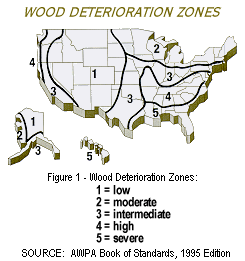
The type of wood you select, where you choose to use it and how you choose to protect it will go a long way in determining how long it will last. Study the chart below and determine the wood deterioration zone for where you live. For example, if you are located in either the severe or high deterioration zones and plan on putting your Adirondack chairs and furniture in the worst possible conditions then you should consider selecting a wood like Ipe. It will easily last you ten plus years with very little care where as other durable woods will have some ability to last you a few years, but you will need to give them a whole lot of TLC. So when selecting a wood be sure to take into consideration how much effort and time you plan on devoting towards protecting your investment the way you should according to where you live, where you plan on putting it and how you plan on taking care of it.
3. All Our Woods Are Weather Durable
All of our woods are durable and each will give you many years of service. They each have pros and cons and it depends on what is the most important attribute to you when choosing a wood for your chair. Never hesitate to call us at our shop and we will gladly help you hash out what is best for you.
All of our woods are durable and each will give you many years of service. They each have pros and cons and it depends on what is the most important attribute to you when choosing a wood for your chair. Never hesitate to call us at our shop and we will gladly help you hash out what is best for you.
4. Always Use Some Type of Wood Protection
You have made your decision about the wood type and you have a pretty good idea of where you will use your furniture. Now we can look into how to best protect your investment. To start with, you can expect some changes in your wooden furniture over time no matter what you do to protect it from the outdoors. Without any type of protection a durable wood will turn a gray color, get some surface cracks, may warp or cup a little and the surface will be rougher. This is normal and many people refer to this weathering process as "character". However, you can slow mother nature down if you want to. Before your furniture ever goes outside use a protective stain on it or paint it. This does take time, but it is easy and well worth it. Lastly, move your furniture to a protected area for the winter or when you will be away or cover it with some quality covers. Remember by doing nothing to protect wood in a high deterioration zone or under extreme conditions your furniture will change appearance and you will shorten its useful life.
5.Protect With Messmers
Messmer's UV Plus®
We use Messmer's UV Plus® "Natural", a deep penetrating alkyd-oil/urethane exterior transparent wood stain. It is a high quality product made in the U.S.A. by a family owned company located in West Jordan, Utah. The alkyd-oil based UV Plus deeply penetrates to strengthen and condition wood while maintaining a completely natural appearance.
Performance Features
It provides excellent long lasting water repellency as well as resistance against mildew and algae growth. The high concentrations of transoxide pigments protect wood from damaging UV rays while the concentration of natural oils condition and enhance the wood. Regular use will retard wood warping, shrinking and cracking.
How Long Before Another Application Is Needed?
Expect the first application on a new unfinished durable wood to last 12 months or less, how long will depend on the weather exposure and type of wood as they vary dramatically in the amount of sealant they can absorb. However, expect your next application to last longer as the wood has now given mother nature back some of the natural elements that tended to keep the first application of sealant from pentrating as deeply. Remember this is a process, and it is worth the time and effort as your furniture will age beautifully. It is as easy polishing your furniture indoors just wipe it on with a rag.
Messmer's UV Plus®
Quart Can.....$49.95......Order
Free Shipping

Mahogany Lumber Profile
Mahogany is an evergreen tree of the West Indies, tropical American and Africa. The tree can reach heights of 135 feet with trunks 6 to 8 feet. According to the US Forestry wood handbook, "original mahogany wood came from the American West Indies. It was the premier wood for fine furniture and shipbuilding in Europe as early as the 1600s. Because the good reputation associated with the name mahogany is based on this wood, American Mahogany is sometimes referred to as true mahogany. A related African wood, of the genus Khaya, has long been marketed as "African Mahogany" and is used for much the same purposes as American Mahogany because of its similar properties and overall appearance".
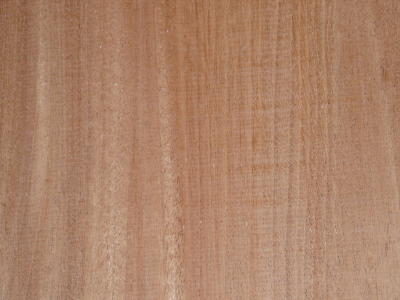
We use African Mahogany, Khaya ivorensis which is the most widely distributed and plentiful species of African Mahogany. Here are a few of the excellent characteristics of African Mahogany. The heartwood varies from pale pink to dark reddish brown. The beautiful gain is usually interlocked and the texture is medium to coarse. It is a durable wood that is resistant to rot, decay and infestation. It does not warp or shrink easily, has good nailing and screwing properties and finishes extremely well. The wood is photo sensitive and with age and exposure to light will darken into a deeper richer looking color.
Why Mahogany ?
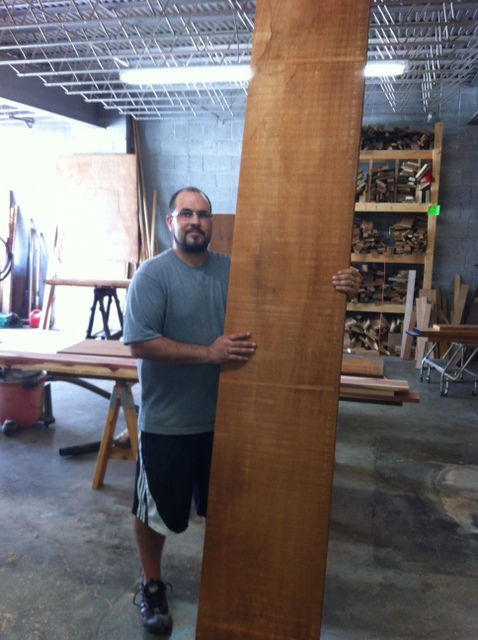
The African Mahogany wood we use is knot free and has a nice medium reddish brown color. The grain is beautiful and the texture of the wood sands to a nice finish. This is an expensive wood, but one that will last an extremely long time if properly taken care of. A very special wood that makes heavy as well as durable outdoor furniture. Accepts stains and paint well.
Mahogany Performance Chart
Wood Classification------------------Hardwood
Outdoor durability(without paint)-----Good
Screw /nail holding capacity-----------Good
Resistance to indentation---------Intermediate
Heaviness(dry weight)--------------Moderate
Board strength(bending)--------------High
Paint holding capacity-----------------Good
Freedom from shrinkage--------------High
Freedom from warping----------------High
Freedom from resin--------------------High
Color when new---------------Dark Reddish Brown
Color weathered------------------------Gray
Price-------------------------------------High
Red Western Cedar Lumber Profile
Red Western Cedar, canoe cedar or shinglewood is found along the US Pacific coast up to Alaska, Idaho, Montana as well as Canada. The state of Washington is the big producer of the wood.
Red Western Cedar heartwood is naturally resistant to deterioration from UV sunlight, insects and moisture. The wood is lightweight, moderately soft, has low strength when used as beams and is low in shock resistance. The wood has a straight variable grain pattern and the texture is coarse. The wood is not very dense and is prone to splintering and tear out. It stains well and has pretty color. To prevent splintering and end tearout pre-drilling is recommended.
How about appearance? The white sapwood of the tree is very narrow and very little is seen in the lumber. The large heartwood is reddish brown. We use the moderately priced number 2 grade for our Adirondack furniture. It has good color and knots typical of Pine boards. It makes more sense to work around any large knots than to use the very costly number one grade. The color, texture and resistance of the two grades are the same.
Why Red Western Cedar ?
The cost is moderate, but it is long lasting with proper care. The wood is lightweight, requires no finish as it will a rustic silver gray as it weathers. You can stain it every 12 to 18 months to maintain the natural brown color. Makes durable rustic looking furniture that will withstand the outdoors for many years.
Performance of Red Western Cedar
Wood Classification------------------Softwood
Outdoor durability(without paint)---Excellent
Screw /nail holding capacity-----------Fair
Resistance to indentation--------Moderately Soft
Heaviness(dry weight)-----------------Light
Board strength(bending)------------Fair to Low
Paint holding capacity------------------Fair
Freedom from shrinkage---------------High
Freedom from warping-----------------High
Freedom from resin---------------------High
Color when new--------------------Reddish Brown
Color weathered------------------------Gray
Price----------------------------------Moderate